
Check out Vol. 1 of the Buzz-Zine Human Animal Relations! Drawn from personal experience and out-of-this-world speculation, these stories, poems, commentary, and visual art rethink our notions of the human, question the limits of representation, and embrace the affective and embodied possibilities and pains in the overlaps and tensions of disability studies and animal studies. Our contributors include a child painter who reimagines spasms as laughing aliens, performers who stretch from Athens, Georgia to Davis, California, as well as professors who speculate on squirrels and worms and humans and other animal companions.
In my research, I examine how poets address environmental racism and ecological devastation. Often, the poets I read do so by raising critical questions about the definition of ‘human’ in the context of anthropogenic (human caused) climate change. How do we navigate the unequal causes of climate change and its uneven impacts?
Human beings are not one homogenous group and this question requires polyvocal responses. Here’s where the digital humanities comes in for me. At Michigan State University, I colead the ‘HIVES’ workshop and speaker series, focusing on disability, interdependence, and eco justice. We’ve co-edited zines that gather creative work from art to poetry to plays that delve into our most challenging questions. The zine format, derived from DIY punk culture, is inherently about making art more accessible through self-publishing and using the tools you have on hand. In the spirit of accessibility, we edited the collection in multiple formats: a screenreader friendly digital zine, a paper zine, and a braille zine.
In my classroom, I also incorporate zines into a dynamic, hands-on learning environment. I encourage students to explore their individual and collective narratives using the tools they have on hand which are often digital. I meet with each student individually three through the semester to listen to the major questions they have grounded in our reading’s themes and to consider the tools they have on hand to answer them creatively in a zine format. Students shift the definition of zine by sticking to its DIY culture and thinking about the tools they have on hand for making something creative. They’ve curated instagram accounts and made websites where they engage with their own questions of identity and context that they’ve brought to the literature all semester. A student made a series of youtube videos where they paid attention to their methods of make-up application and how those methods related to their own presentation of Black queer identity. Another student made a zine about forests as human’s disabled kin in their home country of Brazil. This open digital method enables them to express their understanding and questions in innovative, personal ways.
The culmination of these projects is one of my favorite parts of teaching. These projects not only reflect the students’ creativity and engagement but also demonstrate the practical application of digital humanities in fostering deep, active learning.
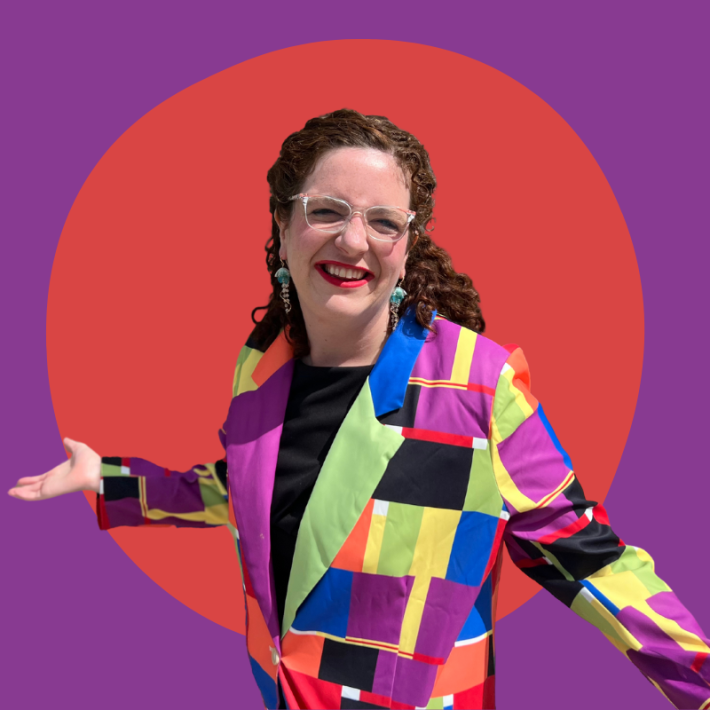
 Jessica Suzanne Stokes